• Rocou

Annatto (Rocou)

6L5609803

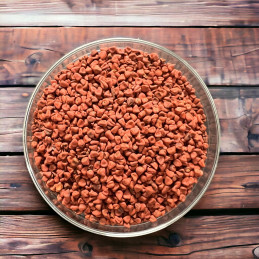
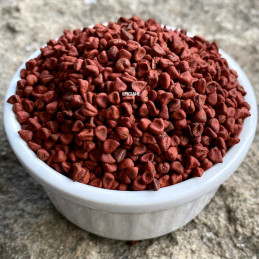
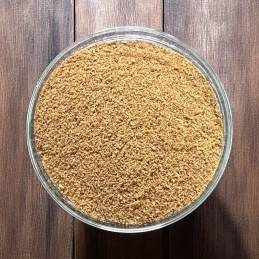
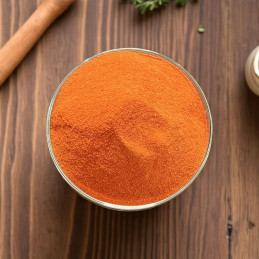
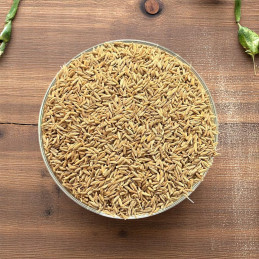
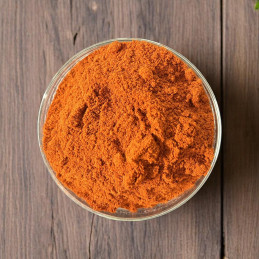
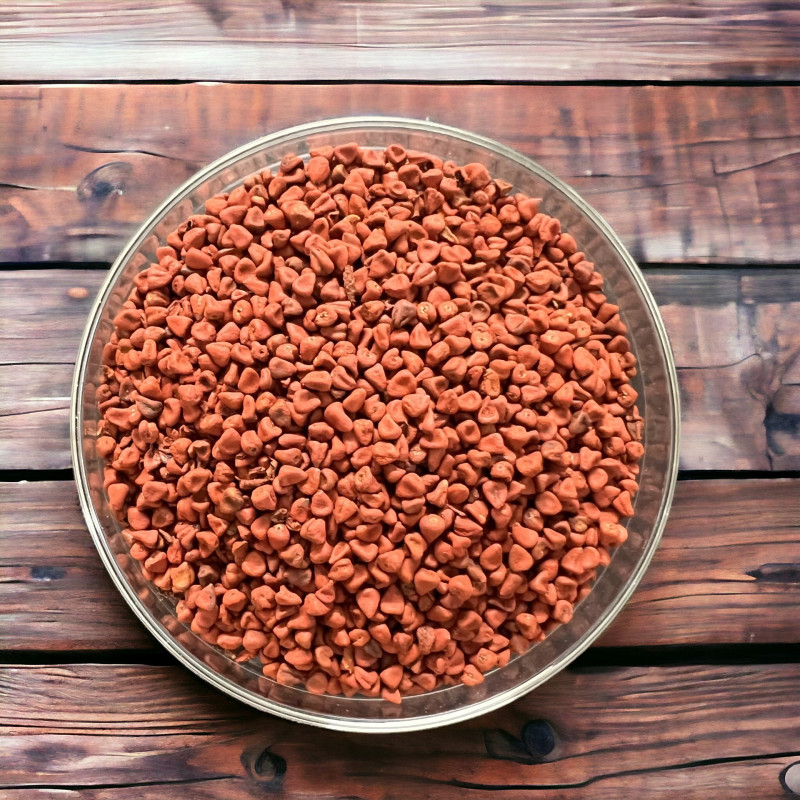
This tiny, bright red seed, which is nearly flavorless, is used as a natural coloring agent in cooking to give a red or orange hue to certain cheeses, fish, oils, and more. It can also be used as a self-tanner on the skin.

Choix du poids
€2.10
Tax included
Quantity

>Get register and you will earn 2 points Get register and you will earn 2 points (Each €1.00 spent = 1 point).
Your cart will total 2 points.
  Delivery

Mondial Relay

  Returns

See conditions

  Payments

100% secure

Description
Livré en sachet refermable  

- Sans OGM - Sans ionisation - Récolte manuelle - Séchage à l'air libre - 

Uses in Cooking and Beyond:
Mugwort is primarily used for its natural coloring ability, which ranges from pale yellow to red, rather than for its nearly nonexistent flavor.

Its coloring pigments are bixine and norbixine. Bixine is liposoluble, meaning it dissolves well in oil, providing a red hue, while norbixine is water-soluble, giving a yellow-orange tint. Norbixine also offers skin protection against UV rays.

To use annatto, mix it with vegetable oil or pre-heated water (10g of annatto for 100ml of oil or water). Let it steep for a few days until the seed coating softens and the black seeds are released from inside. Remove the black seeds, press the remaining pulp to extract all the juice, and then filter the solution (e.g., through a coffee filter). Alternatively, you can blend the whole seeds and then mix the resulting powder with water or oil in the same proportions. Allow it to rest and remove the sediment by filtering again. You will then have red oil or red water that can be diluted in your dishes and other preparations.

Annatto is also used as a self-tanner, promoting melanin production. You can add it to a day cream, for example, to give your skin a beautiful tanned hue while providing some relative protection against UV rays—though it should not replace commercial sunscreen! Additionally, as noted by Native Americans, it helps repel insect bites and has healing properties for minor wounds, slowing skin aging due to its antioxidant content.

In woodworking, annatto can also be used to color furniture wood, bamboo, rattan, and wickerwork, although only for indoor use due to its light sensitivity. For this purpose, it is sometimes mixed with turmeric to achieve the desired shade.

Who Am I?
Origin: India
Scientific Name: Bixa orellana
Common Names: Annatto, achiote (in Bolivia), urucum (in Brazil), lipstick tree.

The annatto tree is a large shrub native to tropical regions of the Americas. It produces beautiful, numerous pinkish-purple flowers with multiple stamens, allowing for two harvests per year. The fruits are initially green, turning red and covered in spines. When mature, they open to release bright red seeds that are viscous and soft when fresh, becoming hard after drying.

It’s important not to confuse natural annatto with the colorant E160b, derived from chemical processes. This colorant is extracted from the red wax that surrounds the seeds. This is how it imparts color to certain cheeses, like Avesnes cheese, mimolette, cheddar, edam, as well as cookies, pastries, ice creams, confections, smoked fish (haddock), oils, butters, and spirits. It is also found as a colorant in cosmetics and some pharmaceuticals, making it one of the most widely used colorants globally.

Annatto contains a high amount of vitamin E, selenium, magnesium, calcium, and beta-carotene, responsible for its strong coloring power.

A Little History :

South American and Caribbean Indians used (and still use) annatto seeds as body pigments, leading to the term "red skin" used by Europeans. They also employed it for religious rituals, including body war paints.

The Aztecs mixed annatto with cacao to enhance its color appeal.

Europeans also appreciated the color it imparted to the lips of Indian women, leading to the introduction of the ancestor of lipstick in Europe!

Today, it is cultivated in Southeast Asia, having been introduced in the 17th century. It was during this period that European traders brought these seeds back in large quantities as the first plant-based food colorant.

Product Details
6L5609803
0

Data sheet

Storage of plants
They should be stored in a dry place, in tightly sealed individual containers, away from light, even artificial.
BBD (Best Before Date)
06/2025
Emplacement entrepôt
G11
Batch number
1116015505
Possible allergens
This product may contain traces of sesame, mustard, celery, and gluten.
You might also like

Reference: paprika

Ground Paprika

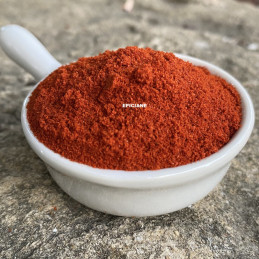
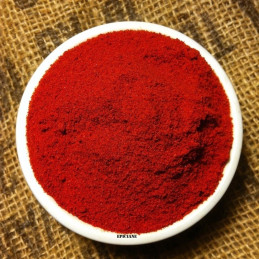
Its taste is rich and very mild, almost sweet! It adds flavor to goulashes and Central European cuisine, is part of the rouille that accompanies fish soup, and enhances eggs and dishes prepared "escabeche" style.
Price €1.60
In stock
16 other products in the same category:

Reference: 00723801

Whole Nutmeg

Its distinctive flavor, both woody and exotic with hints of smoky notes, has become essential to Western cuisine. It is inseparable from gratins, purees, béchamel sauces, quiche lorraine, and even gingerbread.
Price €3.50
In stock

Reference: 3N7153402

Ground Mace

Its aroma naturally evokes nutmeg due to their close relation, but it is much more refined. You can use it in the same types of preparations as nutmeg: meats, gratins, purees, and béchamel sauces.
Price €4.90
In stock

Reference: 20211003

Crushed Niora (hojilla)

Its taste is similar to that of bell pepper (it belongs to the same family), with a hint of tomato. It is widely used in Spain with fish, vegetables, and meats, as well as in paellas. It is often paired with dishes containing tomato as their flavors complement each other perfectly.
Price €3.10
In stock

Reference: 30803202

Ground Cumin

Its rich and powerful aroma has made it famous worldwide. It is an essential ingredient in North African cuisine, perfectly pairing with vegetables (carrots, chickpeas, fava beans), cheeses, and meats (lamb).
Price €2.00
In stock

Reference: coriandreE

Coriander seeds

The taste of coriander is very mild and fresh, bringing an exotic and refreshing aroma to dishes. It is a traditional ingredient in North African and Asian cuisines, marinades, fish broths, as well as salads, olives, and pickles.
Price €1.20
In stock

Reference: 208033101

Ground Nutmeg

Its unique flavor, both woody and exotic with a hint of fireplace warmth, has become essential in Western cuisine. It adds a delightful aroma to gratins, purees, béchamel sauces, quiche lorraine, and even certain pastries, such as gingerbread.
Price €5.20
In stock

Reference: 1N6987004

Ground cloves

Its aroma is robust, woody, and powerful, reminiscent of forest undergrowth yet floral. Its flavor pairs particularly well with meats, pâtés, charcuterie, biscuits, gingerbread, and certain sauces.
Price €1.70
In stock

Reference: 20815801

Garlic Powder

In a fine, talc-like powder, it is convenient, easy to digest, and beautifully aromatic. Ideal for sauces, salads, vegetables, meats, compound butters, and countless culinary preparations.
Price €2.30
In stock

Reference: gingembreM

Ground ginger

The taste of this powdered root is spicy, peppery, and slightly lemony. It is delicious in fish dishes, pastries (such as gingerbread), and is essential in Asian, Indian, and North African cuisines.
Price €2.20
In stock

Reference: 3N7153402

Whole Mace

Its aroma is reminiscent of nutmeg, due to their close relation, but it is much finer and more potent. You can use it just like nutmeg, in meats, gratins, purees, and béchamel sauce.
Price €4.90
In stock