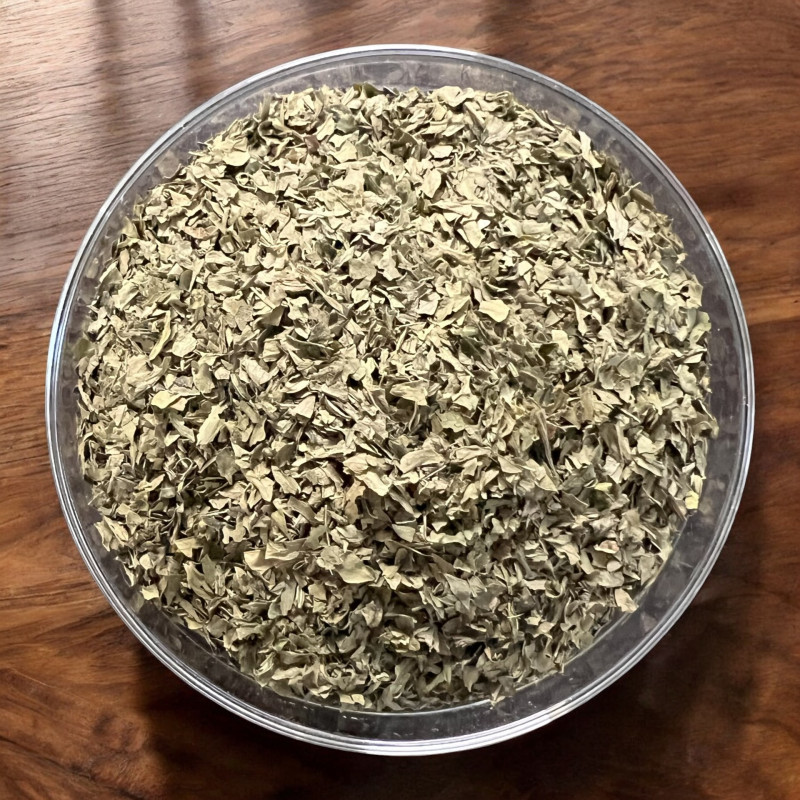
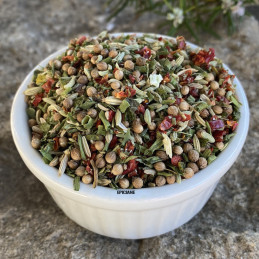
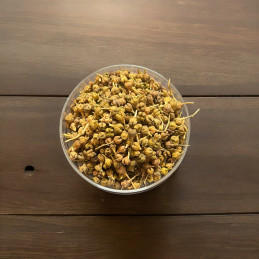
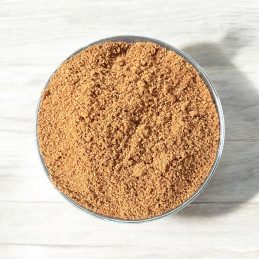
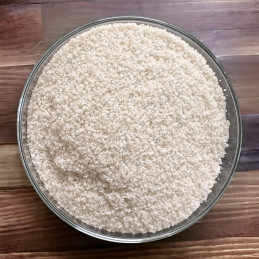
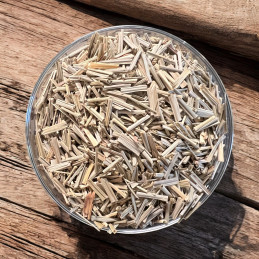
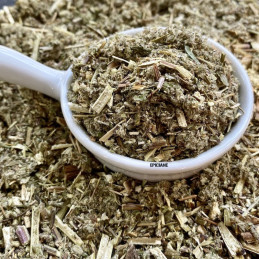
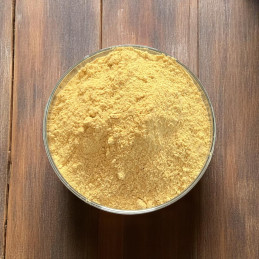
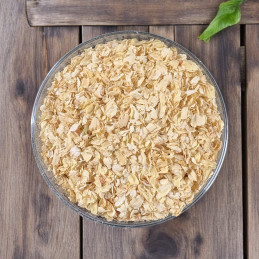
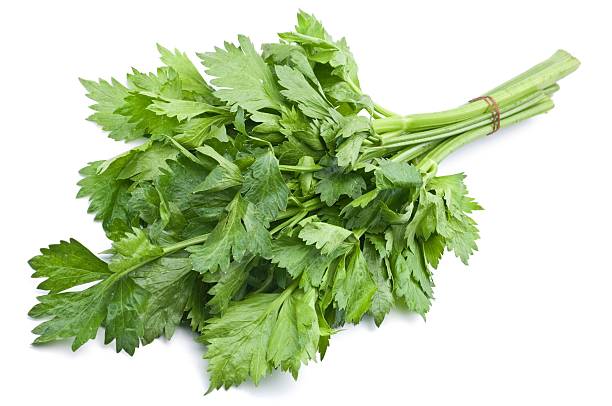
Celery leaves

10N7726601

Celery has a bold, floral taste, rich in aroma. For connoisseurs, it is the twin of lovage.

It is delicious and almost indispensable in vegetables, vegetable juices, salads, meat stews, sauces, and soups.

Choix du poids
€1.80
Tax included
Quantity

>Get register and you will earn 2 points Get register and you will earn 2 points (Each €1.00 spent = 1 point).
Your cart will total 2 points.
  Delivery

Mondial Relay

  Returns

See conditions

  Payments

100% secure

Description
Product delivered in a resealable bag

- GMO-free - Non-ionized -

Uses in Cooking:
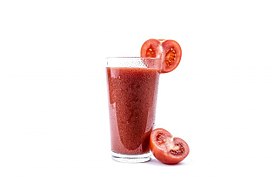
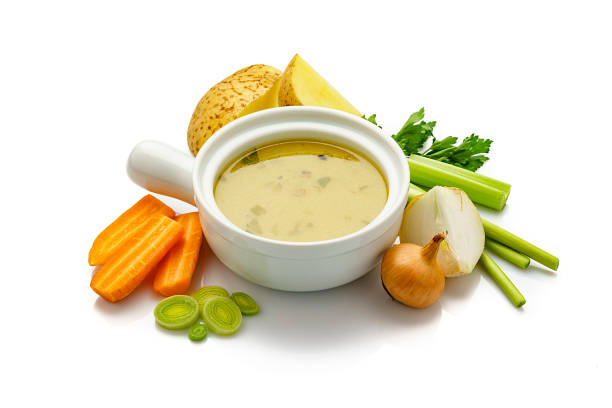
Celery leaves are used to flavor soups, sauces, vegetables, stews, and pot-au-feu. Rehydrated with a touch of water, they work wonders in chicken salads and mixed salads (with chickpeas, onions, olives, tomatoes, and hard-boiled eggs). Just like fresh leaves, the dehydrated version can be used in broths for shellfish and fish, as well as in carrot and tomato juices. Their flavor, much stronger than that of parsley, truly resembles that of lovage.

For connoisseurs looking for lovage, particularly those from the East who are especially fond of it, this is literally its twin in taste.
  

Who am I?

Origin: Poland

Scientific name: Apium graveolens

Common names: Marsh parsley, Marsh lovage, Scented celery, Italian celery
The dietary properties of celery are well-known, but it also has numerous medicinal virtues, which may be attributed to the presence of antioxidants in the plant. It also provides our body with a significant dietary source of lutein, an antioxidant from the carotenoid family.

Note that some individuals are allergic to celery.

Celery is a biennial herbaceous plant from the Apiaceae family, cultivated as a vegetable for its leaves and root, and for its seeds.

The white umbel flowers bloom from August to October.

In the wild, it grows in European meadows, especially in the Mediterranean basin, along streams, and in wet areas.

There are four main varieties within this species, three of which are commonly cultivated: Marsh parsley (var. Graveolens), Celery stalk (var. Dulce), Celeriac (var. Rapaceum), and Cutting celery (var. Secalinum).

A demanding and difficult plant to cultivate, celery prefers rich soils and requires a lot of water.

°°°

A Bit of History:

Celery was originally called "ache," a word derived from Latin, meaning "growing in water," in reference to the plant’s natural habitat.

The term "celery," which appeared only in 1651, was borrowed from an Italian dialect and is thought to derive from the Latin "selinon," a word for the plant originally in Greek.

500 years before our era, the Chinese were already using it in cooking. As for the Egyptians, they harvested its leaves, stalks, and seeds, which were already used as seasoning.

***

Product Details
10N7726601
0

Data sheet

Storage of plants
They should be stored in a dry place, in tightly sealed individual containers, away from light, even artificial.
BBD (Best Before Date)
09/2025
Emplacement entrepôt
F15
Batch number
Possible allergens
Ce produit peut contenir des traces de sésame, moutarde et gluten
You might also like

Reference: celerigraines

Celery Seeds

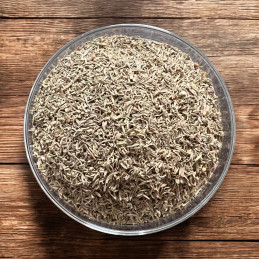
These tiny seeds will infuse your dishes with an explosion of flavor in every bite! They are perfect for enhancing the taste of vegetables and vegetable juices, salads, stews, sauces, and soups.
Price €2.10
In stock

Reference: kenya

Kenya Blend

This spice blend is very fresh, thanks to the fennel and lemon, and flavored with subtle touches of bell pepper and celery. It will be perfect with fish, poultry, sautéed vegetables, and stuffed vegetables.
Price €1.90
In stock
16 other products in the same category:

Reference: baiepassion

Passion Berries

This unusual little Ethiopian berry has a surprising passion fruit aroma. Its delicious flavor, very similar to that of passion fruit, makes it perfect for desserts, infusions, and even fish dishes.
Price €6.12
In stock

Reference: echalote

Dehydrated Shallot

- ORIGIN: FRANCE - Shallots offer more flavor and aroma than onions, making them a staple in French cuisine. Here, they come ready for all your dishes: peeled, chopped, instantly usable, and no more tears from peeling! Available in two forms: as "flakes" or strips.
Price €2.90
In stock

Reference: 00036306-0001

Fenugreek Powder

A fine powder with a cereal-like flavor and a touch of bitterness. An essential ingredient in North African cuisine and a key component in numerous spice blends worldwide. Plus, it’s loaded with health benefits!
Price €1.30
In stock

Reference: jasmin

Jasmine (Flowers)

In tea, this flower has a gentle flavor but is strong enough to complement the taste of tea, with which it has been paired for a long time. It can also be used to decorate dishes and salads, as well as in potpourris.
Price €5.50
In stock

Reference: 208033101

Ground Nutmeg

Its unique flavor, both woody and exotic with a hint of fireplace warmth, has become essential in Western cuisine. It adds a delightful aroma to gratins, purees, béchamel sauces, quiche lorraine, and even certain pastries, such as gingerbread.
Price €5.20
In stock

Reference: 20727901

Thyme

Its fragrance is sunny, like that of the garrigue. It is part of the "Herbes de Provence" blend and pairs particularly well with meats, stuffing, vegetables, and sauces. It is a typical herb in Provençal cuisine.
Price €2.00
In stock

Reference: cardamomeverteE

Whole Green Cardamom

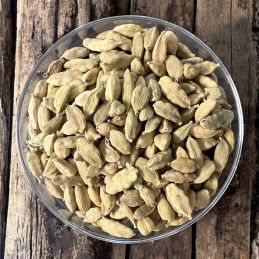
Its fragrance is extraordinary and powerful, protected by the green pod of the fruit! Green cardamom is delicious in tea, coffee, gingerbread, Indian curries, rice, alcoholic beverages, and many dishes. It has the unique ability to enhance the flavors of the dishes it complements.
Price €6.30
In stock

Reference: vanilletahitiE

Tahitian Vanilla Bean - 16-23 cm

This is the most extraordinary variety of vanilla, the enchanting Tahitensis! With its powerful, floral, chocolatey, and slightly aniseed aroma, it will add exquisite flavor to your pastries, fruit salads, ice creams, yogurts, coffee, and tea.
Price €11.00
More
In stock