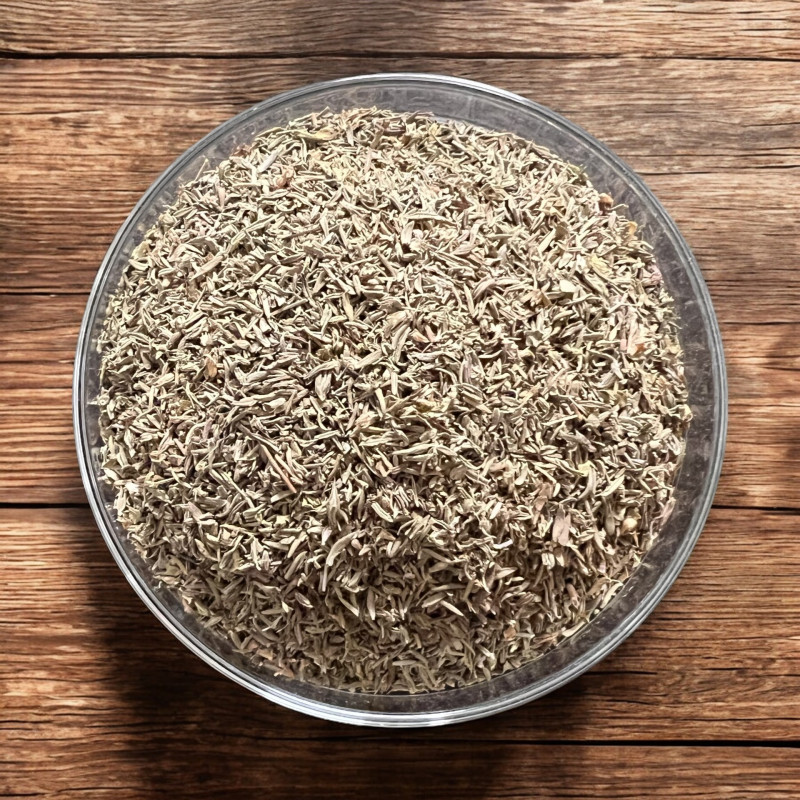
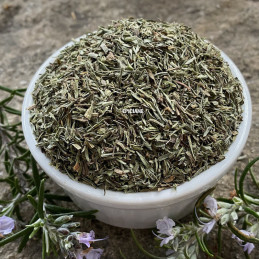
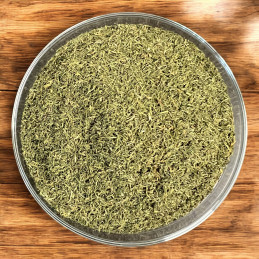
Product delivered in a resealable bag
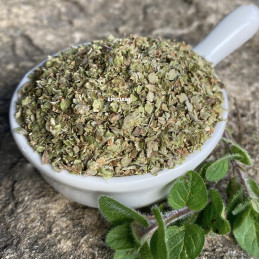
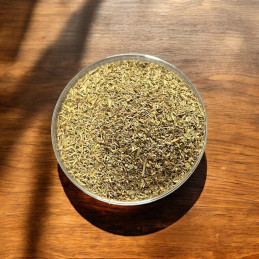
For information, 100g of loose thyme has a volume of about 40cl
- GMO-free - No ionization -
1) Who am I?
Thyme (Thymus vulgaris), also known as farigoule in Provence, is an aromatic herb native to Egypt and the Mediterranean region. It is a perennial plant in the Lamiaceae family, known for its strong, slightly woody aroma with hints of lemon, depending on the variety. Its leaves and flowers, rich in essential oils, bring a distinctive flavor to many dishes. In addition to its culinary use, thyme has many medicinal virtues due to its high content of thymol, a powerful antibacterial and antiseptic.
2) Culinary use
Thyme is an extremely versatile herb in the kitchen, used in many Mediterranean dishes:
- Grills and marinades: Perfect for flavoring grilled meats and fish, especially when integrated into marinades with olive oil and other herbs like rosemary.
- Bouquet garni and stews: Thyme is a key ingredient in the famous bouquet garni, used in stews, slow-cooked dishes, and soups to impart a deep, aromatic flavor.
- Roasted potatoes and vegetables: Sprinkle thyme over roasted vegetables or potatoes before cooking for a Mediterranean touch.
- Cheeses and fish: Perfect for enhancing the flavor of a goat cheese or white fish baked in the oven.
- Oils and liqueurs: Thyme can be macerated in olive oil to create a flavored oil or used in liqueurs to add a subtle herbal note.
Unlike other herbs, thyme fully develops its aroma when heated, making it an ideal herb to use early in the cooking process.
3) A brief history
Thyme has been used for over 12,000 years in Egyptian, Greek, and Roman cultures. The Egyptians used it for embalming their dead, while the Greeks and Romans burned thyme as an offering to their gods and used it in cosmetics and liqueurs. Its name "thymus" comes from the Greek thumon, meaning "perfume" or "burnt offering," a reference to its use in sacred rituals. It was widely spread across Europe by the Romans, becoming an essential ingredient in both cuisine and medicine.
4) Recipe ideas
- Thyme and meat stuffed mussels:
- Ingredients: Mussels, minced meat, thyme, garlic, parsley, breadcrumbs.
- Preparation: Mix the meat with thyme, garlic, and parsley, then stuff the mussels. Bake them in the oven until the stuffing is golden and crispy.
- Roasted potatoes with thyme:
- Ingredients: New potatoes, olive oil, thyme, salt, pepper.
- Preparation: Mix the halved potatoes with olive oil, salt, pepper, and thyme. Roast them in the oven until they are golden and crispy.
- Roast chicken with thyme and lemon:
- Ingredients: Whole chicken, lemon, thyme, olive oil.
- Preparation: Stuff the chicken with cut