- Out-of-Stock
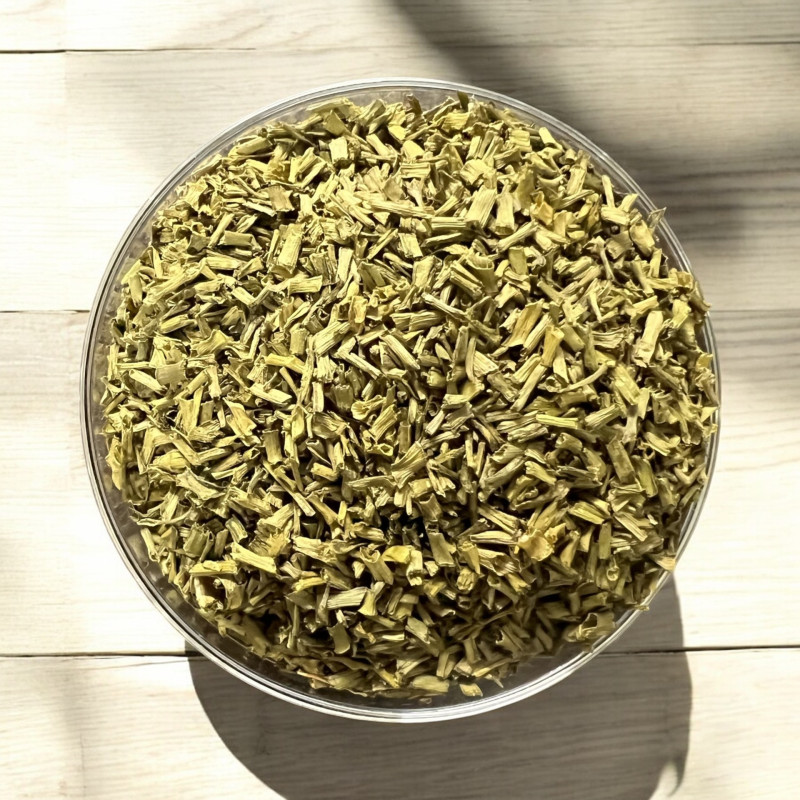

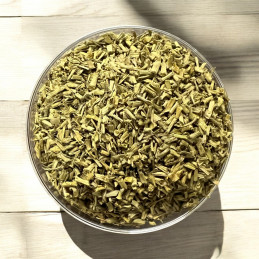
Its flavor is reminiscent of a mix of onion, garlic, and leek.
It is delicious in cream cheese, omelets, salads, chicken and fish dishes, mayonnaise, and sauces.
 Delivery
Mondial Relay
 Returns
See conditions
 Payments
100% secure
Delivered in a resealable bag
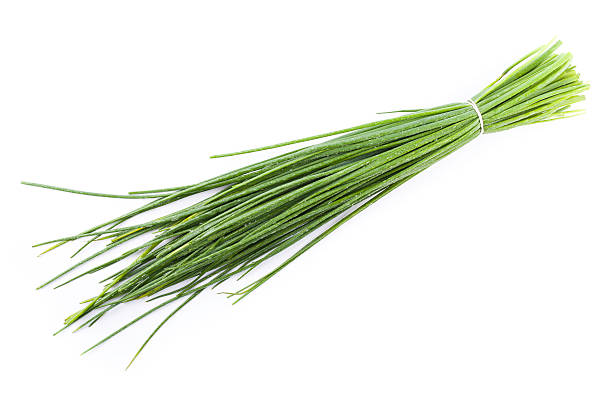 The flavor of tubular chives combines hints of garlic, onion, and leek.
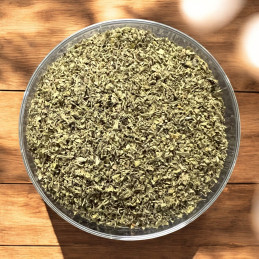
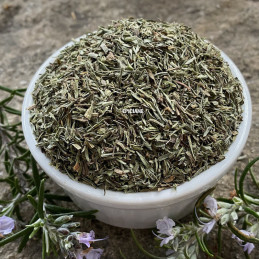
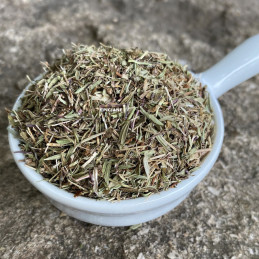
These chives are pre-cut into small pieces, usually no longer than 1 cm. Like all dried herbs, it's best to rehydrate them with a splash of water for a few minutes before using them in a sauce, especially for salads. This ensures the chives are soft and don't absorb your dressing.
They add flavor to crudités, salads, mayonnaise, cream cheese, and yogurts. Chives are also exquisite in potatoes, chicken, fish, sauces, and omelets, where they rehydrate on their own when mixed with the food.
For cooked dishes, it's best to add them near the end of cooking to preserve their aroma.
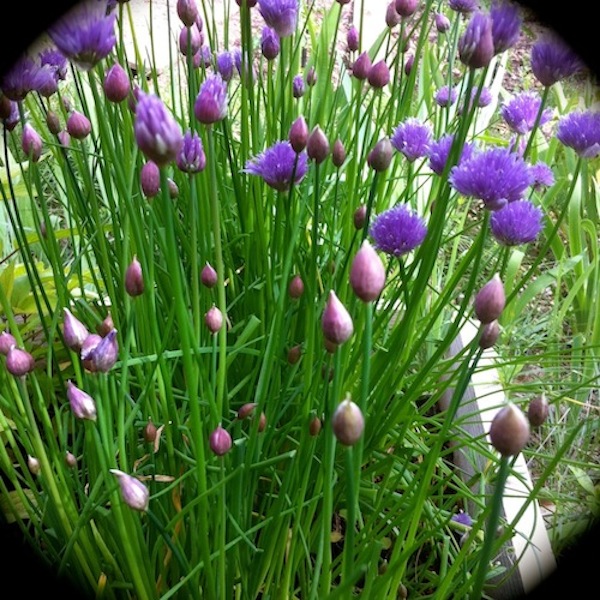
Fresh flowers can also be used to decorate salads and soups.
Origin: Poland
Scientific Name: Allium schoenoprasum
Common Name: Chives, civette
Tubular chives are a perennial aromatic plant from the Liliaceae family, mainly grown for its leaves, which are long, slender, and about 15 cm tall. The plant can be easily cultivated, even in pots. Its pom-pom-like flowers range from green to mauve. It regenerates continuously throughout summer and early autumn.
Chives are part of the "fines herbes" blend, along with parsley, tarragon, and chervil.
Native to Italy, Greece, and the Alps, it is often found growing wild in areas where it is cultivated.
°°°
The name "chives" appeared around the late 14th century. During the Middle Ages, it was also called "appétits" because of its appetite-stimulating properties.
Little is known about the plant's origin, but it is most likely from the eastern Mediterranean basin. However, at least two subspecies grow wild in North America.
Chives were introduced to North America by settlers, but long before their arrival, Indigenous peoples consumed the leaves and bulbs of wild species found in North America.
The Romans are thought to have introduced chives to northern, central, and western Europe, where it quickly naturalized once cultivated, starting in the early Middle Ages. Today, it is the most common Allium species in the Northern Hemisphere.
***

Data sheet
Reference: 20715402
Reference: EPI230115
Reference: 20820902
Reference: 11N7892701
Reference: selguérande
Reference: 10203601
Reference: 050721
Reference: 7K4954201
Reference: paindepices
Reference: 20703402
Reference: 20813701
Reference: 8N7625101
Reference: 20715403
Reference: 112930001
Reference: 20715402
Reference: 3N7153402
Reference: 208033101
Reference: rosepetale
Its flavor is reminiscent of a mix of onion, garlic, and leek.
It is delicious in cream cheese, omelets, salads, chicken and fish dishes, mayonnaise, and sauces.