
• Out-of-Stock

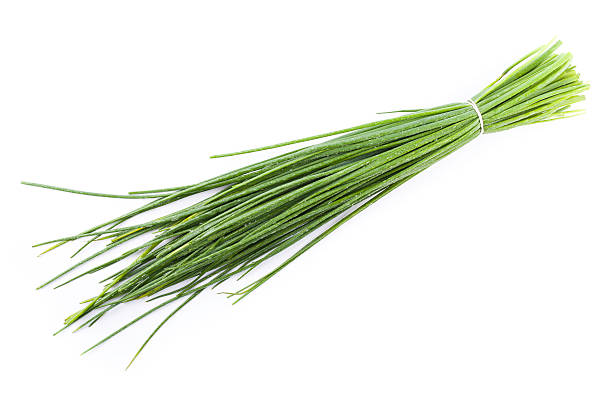
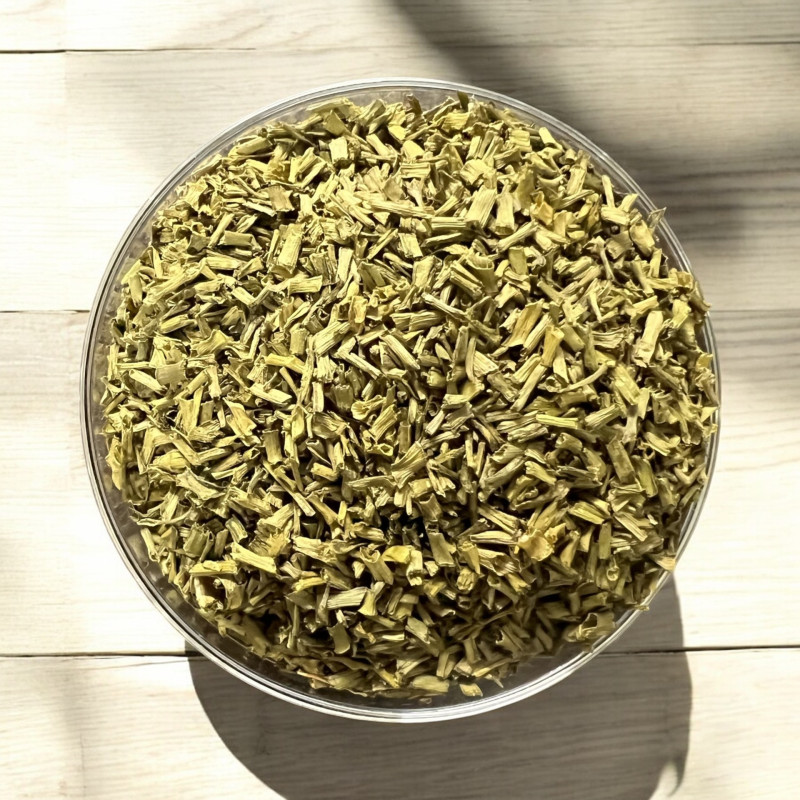
Tubular Chives

1O8005503

Its flavor is reminiscent of a mix of onion, garlic, and leek.

It is delicious in cream cheese, omelets, salads, chicken and fish dishes, mayonnaise, and sauces.

Choix du poids
€1.80
Tax included
Quantity
Out-of-Stock

  Delivery

Mondial Relay

  Returns

See conditions

  Payments

100% secure

Description
Delivered in a resealable bag

- Non-GMO - Non-irradiated -

For reference, one heaping tablespoon equals approximately 2g of chives

Culinary Uses:

The flavor of tubular chives combines hints of garlic, onion, and leek.

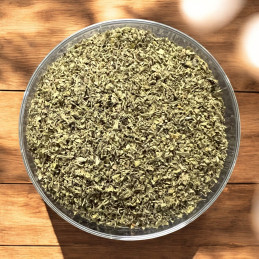
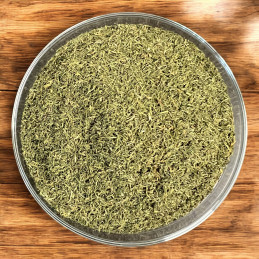
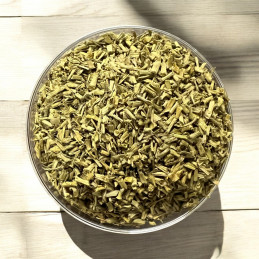
These chives are pre-cut into small pieces, usually no longer than 1 cm. Like all dried herbs, it's best to rehydrate them with a splash of water for a few minutes before using them in a sauce, especially for salads. This ensures the chives are soft and don't absorb your dressing.

They add flavor to crudités, salads, mayonnaise, cream cheese, and yogurts. Chives are also exquisite in potatoes, chicken, fish, sauces, and omelets, where they rehydrate on their own when mixed with the food.

For cooked dishes, it's best to add them near the end of cooking to preserve their aroma.

Fresh flowers can also be used to decorate salads and soups.
What is it?

Origin: Poland

Scientific Name: Allium schoenoprasum

Common Name: Chives, civette

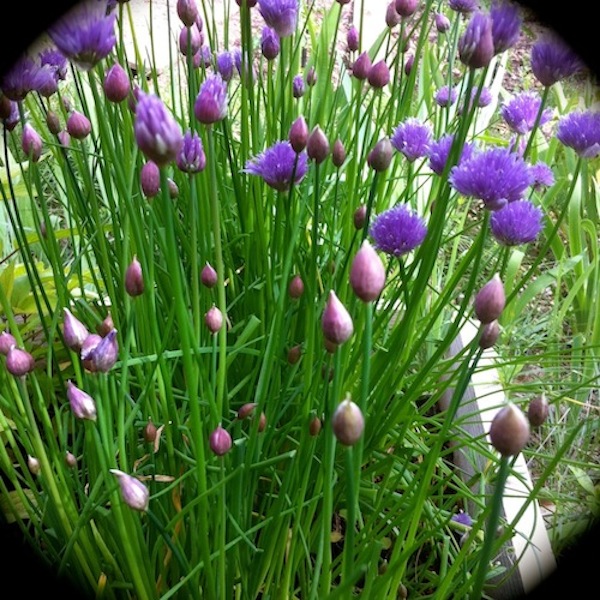
Tubular chives are a perennial aromatic plant from the Liliaceae family, mainly grown for its leaves, which are long, slender, and about 15 cm tall. The plant can be easily cultivated, even in pots. Its pom-pom-like flowers range from green to mauve. It regenerates continuously throughout summer and early autumn.

Chives are part of the "fines herbes" blend, along with parsley, tarragon, and chervil.

Native to Italy, Greece, and the Alps, it is often found growing wild in areas where it is cultivated.

°°°

History:

The name "chives" appeared around the late 14th century. During the Middle Ages, it was also called "appétits" because of its appetite-stimulating properties.

Little is known about the plant's origin, but it is most likely from the eastern Mediterranean basin. However, at least two subspecies grow wild in North America.

Chives were introduced to North America by settlers, but long before their arrival, Indigenous peoples consumed the leaves and bulbs of wild species found in North America.

The Romans are thought to have introduced chives to northern, central, and western Europe, where it quickly naturalized once cultivated, starting in the early Middle Ages. Today, it is the most common Allium species in the Northern Hemisphere.

***
Recipes Using Chives

             
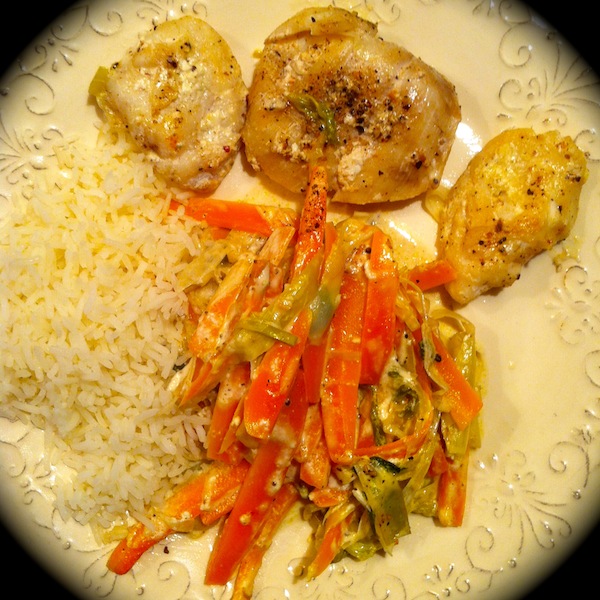
Monkfish Cheeks with Tarragon and Vegetables
Product Details
1O8005503
0

Data sheet

Storage of plants
They should be stored in a dry place, in tightly sealed individual containers, away from light, even artificial.
BBD (Best Before Date)
07/2025
Emplacement entrepôt
FE31
Batch number
6P8862302
Possible allergens
This product may contain traces of sesame, mustard, celery, and gluten.
You might also like

Reference: 11227401

Chervil

- Origin France - Its dried leaves have a mild and almost minty aroma. It is a delightful addition to salads, omelets, sauces (béarnaise, cream, gribiche), soups, and even fish dishes.
Price €5.00
In stock

Reference: EPI230115

Salad Blend

This blend is perfectly balanced between the mild, fragrant flavor of the herbs and the powerful taste of garlic. You won’t be able to do without it to enhance your salads, green vegetables, and even your compound butters.
Price €3.30
In stock
16 other products in the same category:

Reference: 20825701

Spice Garam Masala

The fragrance of this blend is mild, warm, full of exotic scents, with just a hint of spice. It will take you on a journey! It is an Indian blend that will work wonders with meats, prawns, and vegetables.
Price €2.80
In stock

Reference: 10M6810601

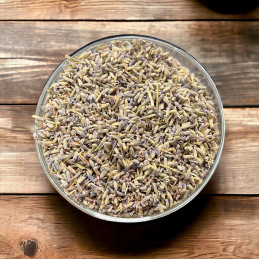
Lavender (Flowers)

The fragrance of lavender instantly evokes the sound of cicadas in the sunlit hills of Haute Provence in July. It’s commonly used to scent closets, but also finds its place in the kitchen in pastries, ice creams, creams, biscuits, liqueurs, teas, bread, and even occasionally in saucy meat dishes.
Price €3.10
In stock

Reference: 810220

Ground saffron

The aroma of saffron is unique, captivating, and unforgettable! On the palate, it is an explosion of absolutely unique flavors... Essential in paellas, it will also be delicious with fish and shellfish, rice, chicken, as well as rabbit.
Price €1.60
In stock

Reference: 20727901

Thyme

Its fragrance is sunny, like that of the garrigue. It is part of the "Herbes de Provence" blend and pairs particularly well with meats, stuffing, vegetables, and sauces. It is a typical herb in Provençal cuisine.
Price €2.00
In stock

Reference: 208029701

Dehydrated Green Pepper

It is strong, aromatic, and the only stage of pepper ripeness where the berries can be rehydrated. It is traditionally used in delicious and spicy sauces that accompany fine meats, in pâtés, or even blended with other peppers.
Price €5.60
In stock

Reference: EPI2301013

Tabbouleh Spice Blend

Fresh, minty, tangy, and full of flavor, this blend is a real delight! It contains everything you need to make a delicious tabbouleh! And with fresh tomatoes and bell peppers added, it’s a dream! You can also use it in many other salads.
Price €2.60
In stock

Reference: souci

Marigold (or Calendula) Petals

These beautifully sun-colored petals have a subtle rose-like taste and numerous medicinal properties. They’ll brighten up your salads, surprising your guests, add charm to potpourris, and, most importantly, bring you their many benefits whether used in infusions or as an external lotion.
Price €2.00
In stock

Reference: jasmin

Jasmine (Flowers)

In tea, this flower has a gentle flavor but is strong enough to complement the taste of tea, with which it has been paired for a long time. It can also be used to decorate dishes and salads, as well as in potpourris.
Price €5.50
In stock