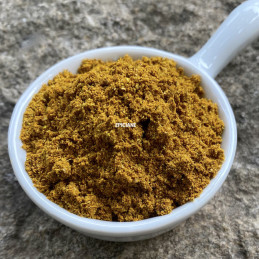
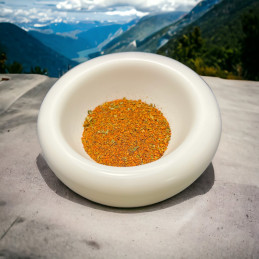
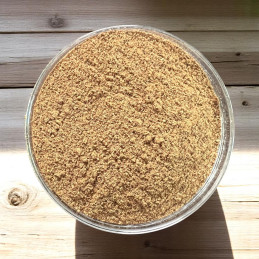
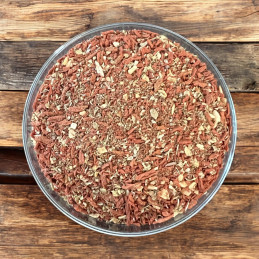
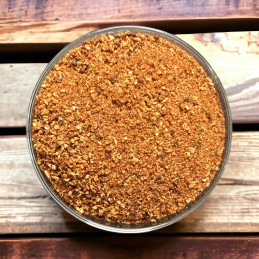
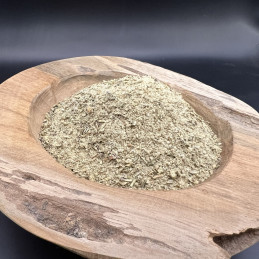
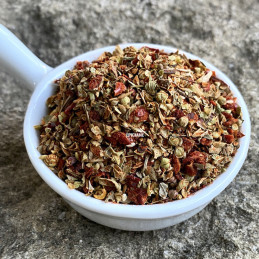
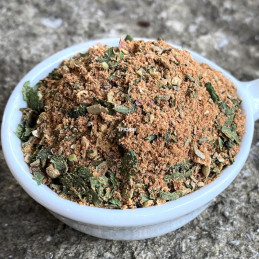
Delivered in a resealable pouch
- Epiciane Blend -
Ingredients:
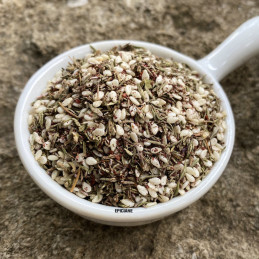
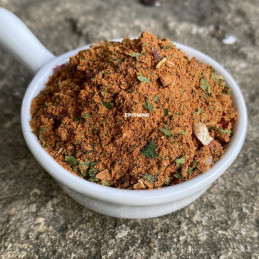
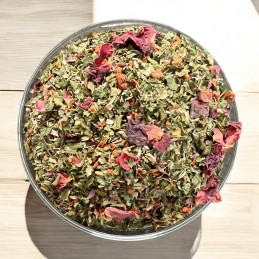
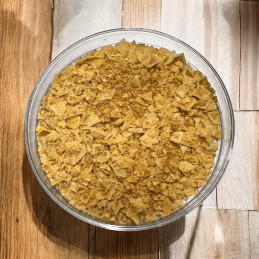
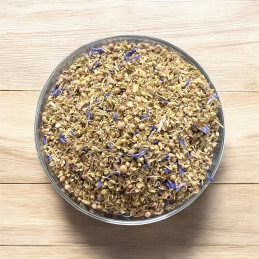
Thyme, sesame, sumac
°°°
Uses in Cooking:
As with all blends, there are several variations: some contain oregano, others savory, but all will contain sumac and sesame!
This specific blend of Lebanese cuisine is traditionally consumed with flatbread (but any other type will also do), dipped in olive oil and then in the "zaatar" blend. But if you're making focaccia or pizzas, try it on top – it’s really delicious. And even though it’s not traditional, it will also flavor white meats or fish, as well as salads.
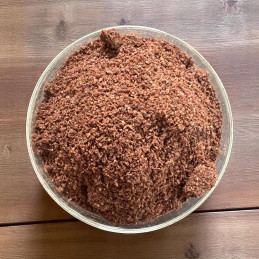
The presence of sumac in the blend adds a natural acidity, allowing you to normally avoid adding salt, or only a small amount.
In Arabic, the word "zaatar" means "thyme". In fact, when we talk about zaatar, it can refer to two things:
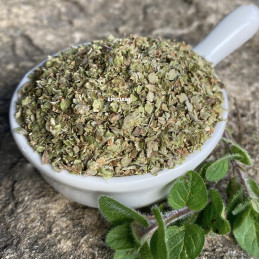
- A plant, the zaatar leaves, which has a flavor and appearance that falls between thyme, savory, and oregano that we know in Europe.
- By extension, it is also the name of the blend offered here, which may contain "zaatar leaves" but more often thyme. When people ask for zaatar, they are usually referring to this blend, not just the plant alone.
***